My First Co-Founder Was a Nightmare
2/24/25
My first co-founder was a nightmare.
Or maybe it was me?
Nah, no question about it, it was him. He was the nightmare.
We met as two twenty-something clerks at Promised Land, a small hippie store located upstairs in The Garage in Harvard Square. One day he made me an offer:
"I have a company making promotional merch for bands."
"My business partner hates me."
"Would you be my partner?"
Sure, I said, what could possibly go wrong?
The requirement was I'd put a bit of money into the business, which would essentially buy out the partner-who-hated-him. After that, we agreed we would be equal owners of the company. 50% - 50%, straight down the middle.
I went to a lawyer friend of my father's, who strongly recommended this equal partnership a terrible, horrible, everything-that-can-go- wrong-usually-does idea. He explained the company would be at a stalemate, a deadlock, a no-way-out in the event of a major disagreement.
No problem, I figured because I was ignorant, naive and wet-behind-the-ears, but also eager, like a poodle riding sidesaddle on a bunny rabbit atop a capybara.
I told this lawyer I knew exactly what I was doing.
By 1996 we had a small storefront on gritty Orchard street in NYC; we generated a few million in revenue by supporting bands like the Sneaker Pimps and Eve 6 and the Disco Biscuits and Medeski, Martin & Wood. We counted movie studios like Miramax and record labels like Warner Brothers as customers, designing die-cut lenticular glitter foil stickers and screen-printing on baby doll t-shirts in puff ink or neon glows.
It didn't occur to me that operating a business at under 5% net margins would be hard to scale. I knew nothing, and my business partner knew even less.
I was good with numbers, and so ran the finance side of things. Turns out I could also sell, so brought in the customers, and knew some HTML so could code the website. And, well, I began to raise money, from the likes of Ted Field (founder of Interscope Records) and Mario Lemieux (the Pittsburg Penguins Hockey Player).
My partner was clearly a creative. He understood design and trends, but sometimes lost the thread when it came to time-to-value of money. He spent dozens of hours on our logo which was extremely cool with backwards 3s and 7s, spelling R37R0-FI7.
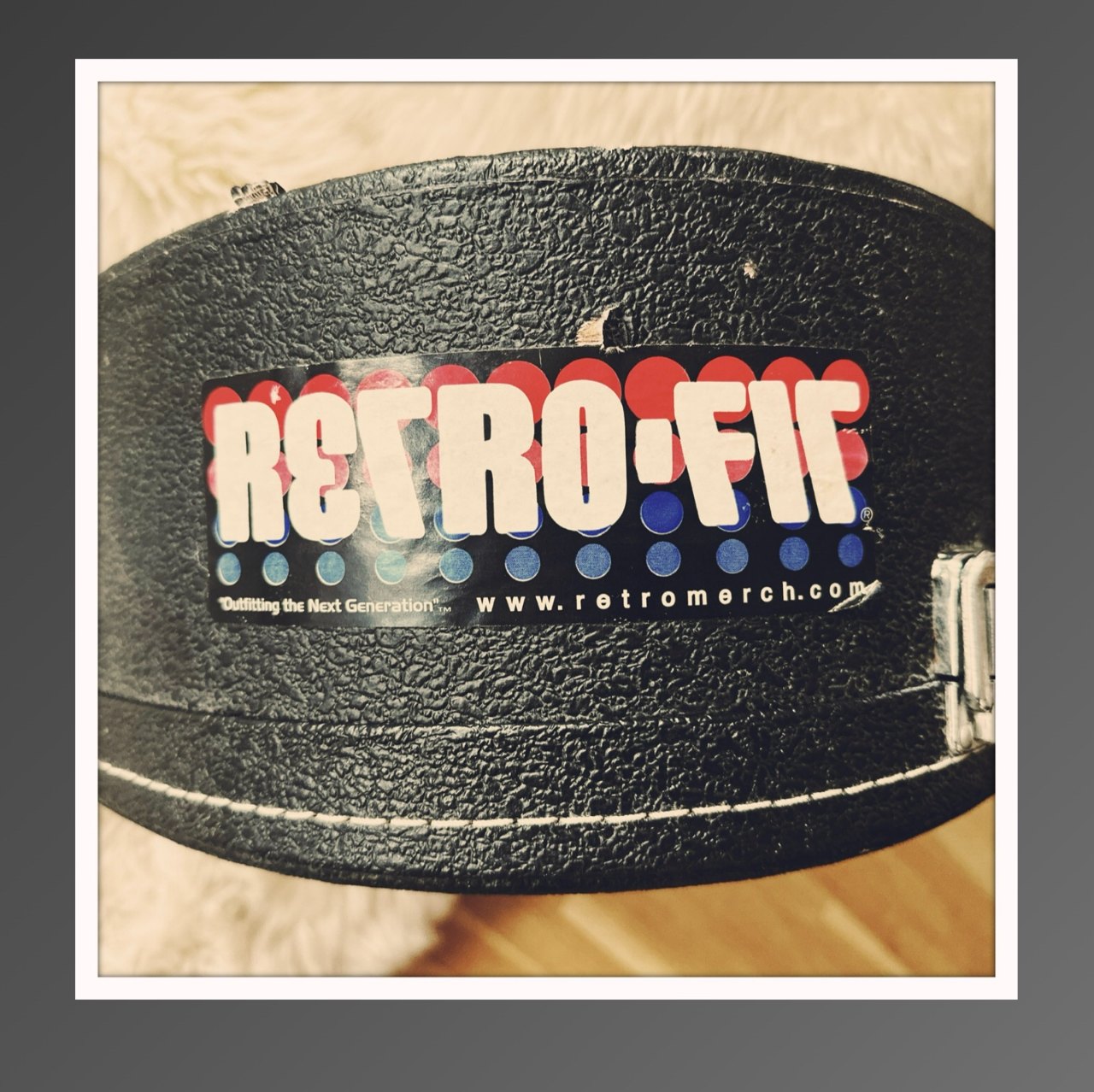
A few years in and we began to fight; spraying words at each other in huge shouting matches. It's true he was a sweetheart, but also a business fool; then again I wasn't smart or experienced enough to understand how to best channel his creative energy or define roles; how to communicate transparently or how to establish targets and manage ourselves to hit them.
I was a few years his junior, and in one verbal blowout, he aimed for a punch below the belt, "you're too young to even know how to be an Entrepreneur," he spat.
I licked my wounds and retreated home to go look up what the word 'entrepreneur' meant.
Ok, oh, wow, that's cool. I guess that's what I am then?
Eventually, we were at an impasse and agreed we couldn't work together anymore.
As the finance bro, I told him I'd value the company and then one of us could buy the other one out. I gave him a number. He said he wanted the company and would buy me out.
A few months later, my bank calls. They tell me that my hopefully-sooner-rather-than-later ex-business partner has filled out paperwork to organize a loan against my personal bank account.
I called him. "You can't take a loan out on my money, to buy me out of my own portion of the company that I own," I explained.
He thought about it for a minute, then said sheepishly, foolishly, "ok, well I have no money, so you'll have to buy me out then." And, a man of my word, so I did.
And that's the last time we spoke.
Nearly 25 years have passed and I have to admit, I don't think about him all that often, but when I do, I recognize that all of the mistakes me made together provided countless lessons and a foundation of what to avoid when building a company.
A quick LinkedIn search and it looks like he's been a short-stint startup founder journeyman and game designer of sorts and offers a tagline to his bio, 'Pulling the future a little closer'.
He doesn't even list our company on his profile.
I guess I wonder what might happen if I called him now and we discussed our experience; our mutual ignorance, our perspectives, our quarter century of takeaways. What does he remember, what does he regret, if anything?
Would he care at all? What could I possibly learn?
Would it matter?